

Minimalism is more than just a design trend; it’s a lifestyle that emphasizes simplicity, functionality, and intentionality. Incorporating minimalism into your home design can create a serene and clutter-free environment. This article explores practical ways to embrace minimalism in your home.
1. Declutter Your Space
Start by removing items you no longer need or use. A clutter-free space is the foundation of minimalist design.
2. Choose a Neutral Color Palette
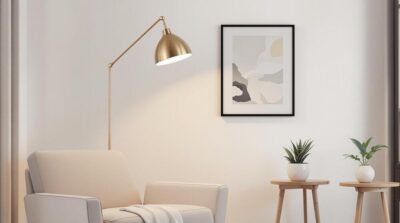
Minimalist interiors often feature neutral tones like white, beige, and gray, which create a clean and calming atmosphere.
3. Invest in Quality Over Quantity
Focus on a few high-quality pieces of furniture and decor rather than filling your space with unnecessary items.
4. Embrace Open Spaces
Minimalism thrives on open, airy spaces. Avoid overcrowding rooms and let the design breathe.
5. Use Functional Furniture
Opt for furniture that serves multiple purposes, such as a sofa bed or a coffee table with storage.
6. Incorporate Natural Materials
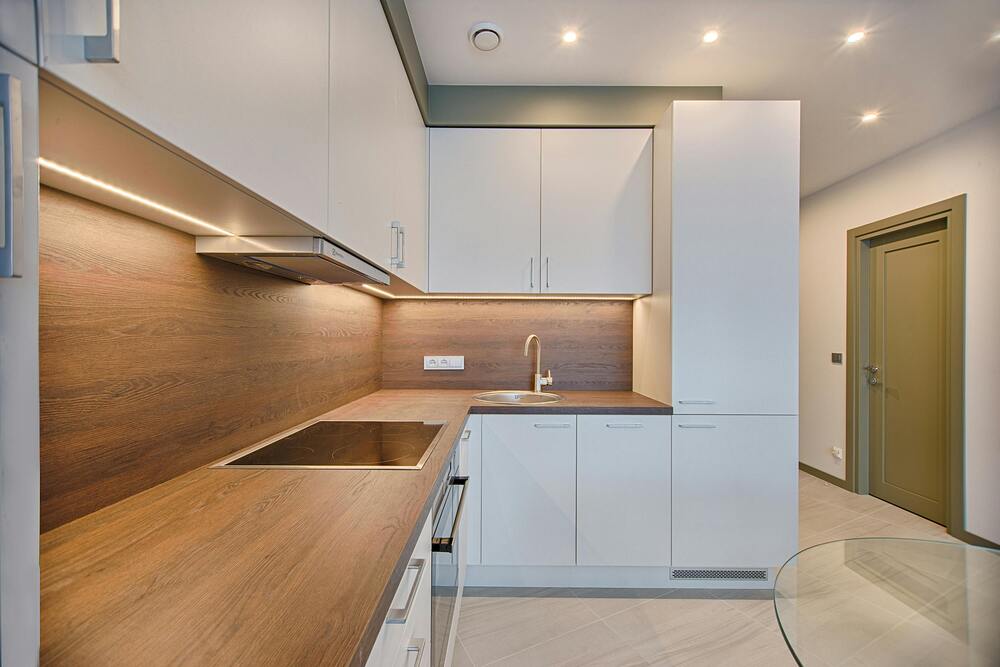
Wood, stone, and other natural materials add warmth and texture to minimalist interiors.
7. Limit Decorative Items
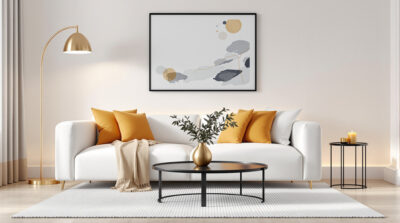
Choose a few statement pieces, like a piece of art or a vase, to add personality without overwhelming the space.
8. Focus on Clean Lines
Minimalist design is characterized by clean, straight lines and simple shapes. Avoid overly ornate or intricate designs.
9. Maximize Natural Light
Large windows, sheer curtains, and strategically placed mirrors can enhance natural light and make your space feel larger.
10. Maintain a Consistent Style
Stick to a cohesive design style throughout your home to create a harmonious and balanced look.
Conclusion
Minimalism is about creating a space that is both functional and beautiful. By following these tips, you can transform your home into a peaceful retreat that reflects the essence of simplicity.